
No products in the basket.
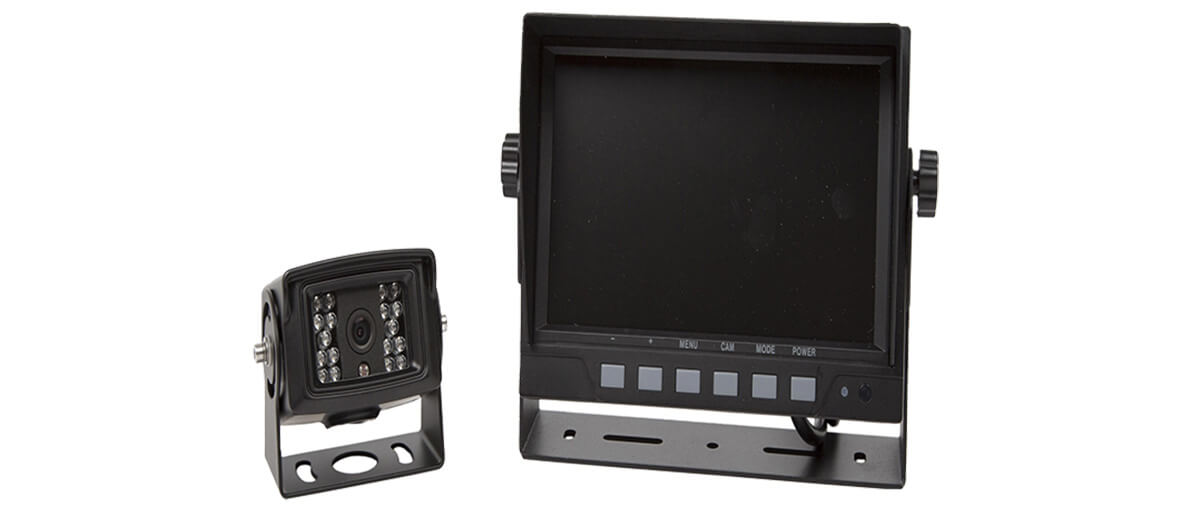
In the fast-paced world of material handling, safety and efficiency are paramount. Forklifts play a crucial role in warehouses, construction sites, and logistics operations, where precision and caution are essential. To further enhance the productivity and safety of forklift operations, the integration of advanced technologies is becoming increasingly popular.
One such innovation is the wireless forklift camera, a cutting-edge solution that offers a multitude of benefits. In this article, we will explore the advantages of installing a wireless forklift camera on your truck and how it can improve your material handling processes.
Enhanced Visibility
One of the primary benefits of a wireless forklift camera is the improved visibility it provides to operators. Traditional forklifts often have blind spots that can hinder the operator’s ability to manoeuvre safely, leading to accidents and damage to goods.
By installing a wireless camera system, operators gain a more comprehensive view of their surroundings, including blind spots and hard-to-reach areas. Real-time video footage displayed on a monitor in the operator’s cabin allows for better navigation, precise stacking, and safer movement, helping to reduce collisions and minimise product damage.
Increased Operator Awareness
Operating a forklift requires excellent situational awareness. A wireless forklift camera can enhance an operator’s ability to identify potential hazards. By capturing and relaying live footage, the camera system provides operators with additional information about their immediate environment.
This heightened awareness can enable them to respond more quickly to unexpected obstacles, pedestrians, or other forklifts, helping to reduce the risk of accidents and improve overall safety.
Improved Load Management
Accurate load management is crucial in material handling operations. Wireless forklift cameras can offer valuable assistance in this regard. With a clear view of the forks and the load, operators can position the forks more precisely, helping to optimise load positioning and minimise the risk of goods falling or becoming damaged during transport.
Additionally, cameras equipped with distance sensors or laser indicators can help operators gauge the distance to obstacles accurately, allowing for more precise and efficient load placement.
Time and Cost Savings
Implementing a wireless forklift camera system can help deliver time and cost savings. Enhanced visibility and operator awareness can contribute to faster and more efficient forklift operations. Operators can navigate narrow aisles, congested areas, or high-traffic zones with greater confidence, helping to reduce delays and downtime.
Reducing the risk of accidents and product damage can also help lower maintenance and repair costs. Over time, these savings can have a positive impact on the overall cost of material handling operations.
Training and Documentation
Wireless forklift cameras can also serve as valuable training and documentation tools. New operators can benefit from the visual aids provided by the camera system during their training, helping them understand and adapt to complex handling scenarios more quickly.
Additionally, where recording functionality is available, footage from the camera can be used for post-incident analysis and evaluation, helping to identify potential operational improvements or training needs.
Conclusion
The installation of a wireless forklift camera on your truck can offer numerous benefits. From enhanced visibility and operator awareness to improved load management and potential cost savings, this technology can support material handling operations while prioritising safety.
By embracing innovative solutions, businesses can help create a safer working environment, reduce accidents and damage, and improve operational efficiency. Investing in a wireless forklift camera can be an effective way to enhance the productivity and safety of your material handling operations.
Join our Newsletter
Latest updates, offers and product info sent to your inbox.
[ form ]
